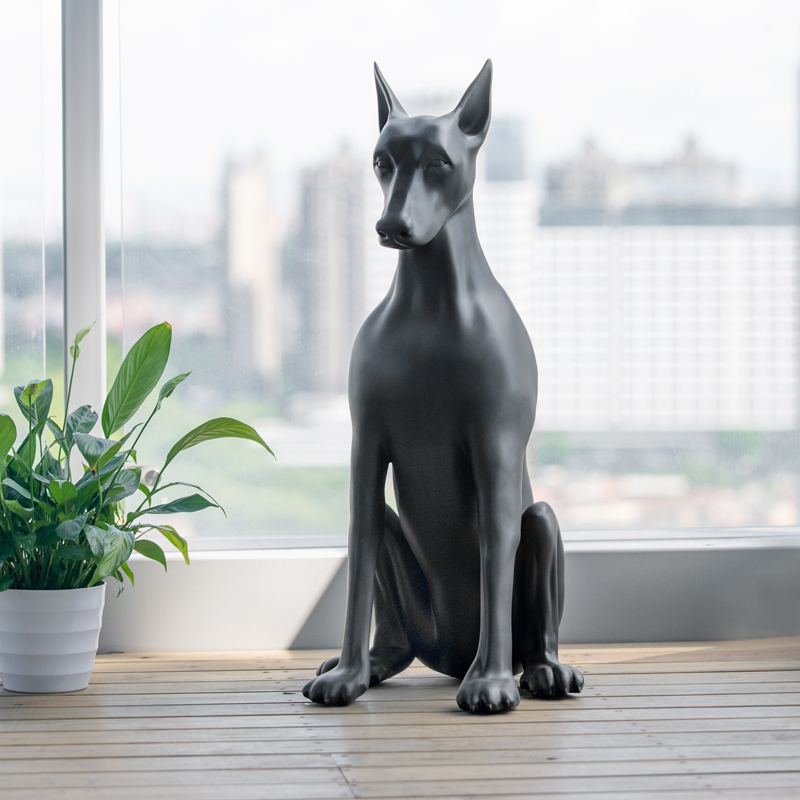
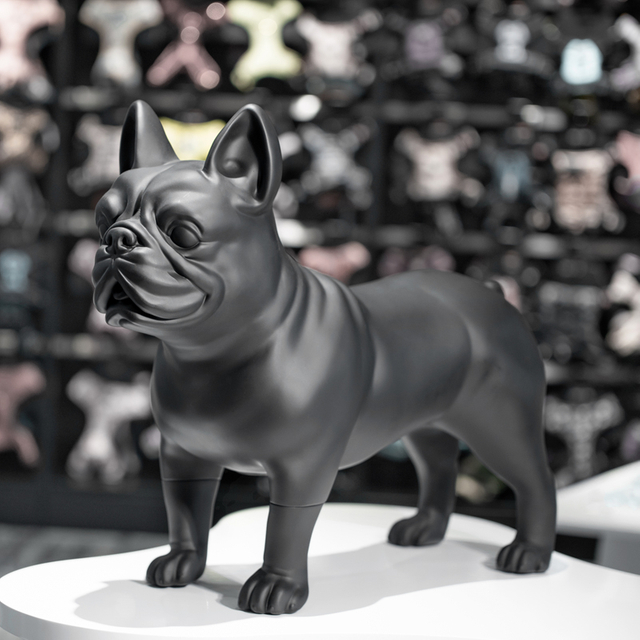
Are you confused about the difference between a dog mannequin and a pet display model? These terms are often used interchangeably, yet they serve distinct purposes. Understanding these differences is crucial for buyers looking to make informed decisions. In this post, we’ll define each term and explore why shoppers seek these products. You’ll learn how to choose the right model for your needs.
Understanding the Terms
What is a Dog Mannequin?
A dog mannequin is a life-sized model designed specifically for displaying pet apparel and accessories. These mannequins are crafted to represent various dog breeds, allowing retailers to showcase their products effectively.
Common uses of dog mannequins include:
● Retail Displays: They help create eye-catching displays in pet stores, enhancing the shopping experience.
● Photography: Used in commercial photography, they provide a realistic representation of how apparel fits on a dog.
The importance of breed-specific designs cannot be overstated. Retailers can select mannequins that accurately reflect the size and shape of different breeds, improving the fit and appeal of their products. For instance, showcasing a sweater on a Chihuahua mannequin versus a Great Dane mannequin ensures customers see how the apparel looks on their own pets.
Breed | Mannequin Size | Common Apparel |
Chihuahua | XXS | Sweaters, Coats |
Beagle | M | T-Shirts, Harnesses |
Labrador | L | Jackets, Costumes |
Great Dane | XL | Costumes, Accessories |
What is a Pet Display Model?
In contrast, a pet display model encompasses a broader range of designs, often representing various animals, not just dogs. These models are used for decorative purposes in homes, stores, and exhibitions.
Pet display models serve multiple functions:
● Decoration: They enhance the aesthetic appeal of a space, making it more inviting and attractive.
● Versatility: These models can be used for animals like cats, rabbits, and even exotic pets, allowing for diverse displays.
The aesthetic appeal of pet display models lies in their ability to complement different interior designs. Whether you're looking for a sleek, modern look or a rustic charm, there’s a display model to match. Their versatility means they can be used in various settings, from pet boutiques to art galleries.
To illustrate, here are some common uses of pet display models:
Type of Model | Common Uses | Aesthetic Appeal |
Dog Display Models | Retail stores, Photography | Realistic, breed-specific designs |
Cat Display Models | Home Decor, Exhibitions | Elegant, often artistic |
Mixed Animal Models | Pet Shows, Themed Events | Fun, engaging for audiences |
By understanding these terms, you can make informed decisions when selecting the right model for your needs, whether for retail, photography, or decoration.

Key Differences Between Dog Mannequins and Pet Display Models
Target Audience
Understanding the target audience is crucial when distinguishing between dog mannequins and pet display models. Dog mannequins are primarily used by retailers who sell pet apparel and accessories. They help create appealing displays that attract customers. On the other hand, pet display models appeal to a broader audience. They are often used for personal purposes, such as grooming or training, as well as in various decorative settings.
Retailers benefit from using dog mannequins because they can showcase specific breeds effectively. For example, a store displaying a range of dog sweaters will want mannequins that accurately represent the sizes and shapes of different breeds. Meanwhile, pet display models are frequently found in homes, art galleries, or events, where they serve as decorative pieces that can enhance the environment.
Usage | Dog Mannequins | Pet Display Models |
Primary Audience | Retailers | Homeowners, Event Organizers |
Common Uses | Retail Displays, Photography | Decoration, Themed Events |
Design and Realism
When it comes to design and realism, dog mannequins excel in their accuracy. They are crafted to reflect specific breeds, which is essential for merchandising. For instance, Tippy Dog Mannequins offers a variety of breeds, ensuring that each mannequin closely resembles the actual dog. This realism helps customers visualize how the apparel will fit their pets.
In contrast, pet display models often feature a more neutral appearance. This design choice is intentional, as it allows the displayed products to stand out without distraction. The focus remains on the items being showcased, whether they are accessories or decorative elements.
Feature | Dog Mannequins | Pet Display Models |
Realism | High (breed-specific) | Neutral (general appearance) |
Purpose | Showcase apparel effectively | Enhance product visibility |
Functionality and Features
Functionality varies significantly between dog mannequins and pet display models. Dog mannequins are designed to be posable and flexible, allowing for various display options. Retailers can adjust them to create dynamic scenes that attract attention. For example, a mannequin can be posed to show how a dog would look while walking in a new jacket.
Pet display models, however, focus more on their decorative aspects. They might not be as flexible, but they often feature anti-scratch finishes and sturdy bases to ensure stability. These features are vital for maintaining a polished look in retail environments or exhibitions.
● Dog Mannequin Features:
○ Posable limbs for dynamic displays
○ Flexible design for varied poses
● Pet Display Model Features:
○ Anti-scratch finishes for durability
○ Stable bases to prevent tipping
Material and Construction
The materials used in constructing dog mannequins and pet display models also differ. Dog mannequins are often made from durable materials like fiberglass or high-quality plastic. These materials ensure they can withstand the wear and tear of retail environments while maintaining their appearance.
On the other hand, pet display models are generally constructed with lightweight materials, making them easy to move and reposition. This is especially beneficial in settings where displays need to be frequently changed or adjusted.
Material | Dog Mannequins | Pet Display Models |
Common Materials | Fiberglass, High-Quality Plastic | Lightweight Plastics |
Durability | Highly durable | Moderate durability |
When considering maintenance, both types require some care, but the lightweight construction of pet display models makes them easier to handle and clean. Retailers and homeowners alike appreciate these practical aspects when choosing between the two options.
Why Choose One Over the Other?
For Retail and Merchandising
When it comes to retail and merchandising, the choice between a dog mannequin and a pet display model can significantly impact sales. Dog mannequins are specifically designed to showcase pet apparel effectively. Their realistic breed-specific designs allow customers to visualize how clothing will fit their pets. This visualization is crucial; it can lead to increased sales as customers feel more confident in their purchases.
For example, a store displaying a new line of dog coats on breed-accurate mannequins can create an appealing visual narrative. This not only attracts attention but also enhances the shopping experience. Retailers can arrange these mannequins in dynamic poses, making the display lively and engaging.
Benefit | Dog Mannequins | Pet Display Models |
Visual Appeal | High (realistic, breed-specific) | Moderate (neutral appearance) |
Customer Engagement | Increases confidence in purchases | Enhances overall store aesthetics |
Display Flexibility | Highly posable for varied presentations | Limited poseability |
On the other hand, pet display models can enhance store aesthetics by adding a decorative touch. They can be used to create themed displays that attract customers’ attention. For instance, a pet store could use models to create a cozy home environment, showcasing pet accessories alongside the models. This approach not only draws customers in but also encourages them to envision a lifestyle that includes their products.
For Training and Practice
In training and practice scenarios, choosing the right model can make all the difference. Dog mannequins are invaluable for grooming and training purposes. Groomers can practice their skills on these realistic models, allowing them to refine their techniques without the pressure of working on a live animal. This practice can enhance their confidence and proficiency, ultimately benefiting their clients.
Conversely, pet display models offer versatility for various training needs. They can be used in settings where trainers need to demonstrate techniques or behaviors. For example, a dog trainer might use a display model to illustrate proper leash handling or positioning. This versatility makes pet display models a practical choice for trainers who need to adapt their teaching methods.
Use Case | Dog Mannequins | Pet Display Models |
Grooming Practice | Excellent for skill refinement | Limited use |
Training Demonstrations | Effective for real-life scenarios | Useful for various training needs |
Marketplace platforms like Alibaba highlight this mixed intent. Many buyers look for models that serve both decorative and functional purposes. Retailers and trainers alike appreciate the flexibility these models provide, making them a valuable addition to any pet-related business or practice.
Ultimately, the choice between a dog mannequin and a pet display model depends on specific needs. Whether enhancing retail displays or improving training techniques, understanding these differences helps in making an informed decision.

Market Trends and Consumer Expectations
Insights from Marketplaces
Marketplaces like Alibaba, Etsy, and eBay significantly shape consumer expectations for products like dog mannequins and pet display models. On Alibaba, buyers often seek bulk purchases at competitive prices, which influences their perception of value. This platform primarily showcases a wide range of models, from basic to highly detailed, setting a standard for what consumers expect in terms of variety and price.
Etsy and eBay, on the other hand, focus on unique and custom models. Sellers on these platforms often highlight artisanal craftsmanship and personalized options. This trend caters to consumers looking for something special, allowing them to find models that reflect their style or meet specific needs. The emphasis on individuality has led to increased demand for custom designs, which can include unique colors, sizes, and features.
Marketplace | Focus | Consumer Expectations |
Alibaba | Bulk and affordability | Wide range of options, competitive pricing |
Etsy | Unique and custom items | Personalization and artisanal quality |
eBay | Variety and second-hand goods | Unique finds and value deals |
Additionally, many marketplace listings blend language related to display and training. This dual focus appeals to a broader audience, as customers may be interested in models for both merchandising and practical training purposes. By incorporating keywords that address both uses, sellers can attract diverse buyers looking for multifunctional products.
Sustainability and Local Manufacturing
Sustainability is an increasingly important trend in the pet product market. Companies like IRW Germany are leading the charge towards eco-friendly products. Consumers today are more aware of environmental issues and prefer products that reflect their values, including sustainable materials and ethical production practices. This shift is not just a trend; it's becoming a standard expectation among buyers.
The importance of recyclability and local sourcing cannot be overstated. Many consumers are now looking for products made from recyclable materials or sourced locally. This preference not only supports local economies but also reduces the carbon footprint associated with transportation. Brands that emphasize these aspects often gain a competitive edge in the market.
Sustainability Aspect | Consumer Preference | Market Impact |
Recyclability | High demand for eco-friendly products | Increases brand loyalty |
Local Sourcing | Support for local businesses | Reduces carbon footprint |
Ethical Production | Preference for responsible brands | Enhances brand reputation |
Local manufacturing also sets clear expectations for quality and sustainability. When products are made nearby, consumers often perceive them as higher quality, as they can trust the manufacturing process and materials used. This local connection fosters a sense of community and accountability, which resonates strongly with today's conscientious shoppers.
By understanding these market trends and consumer expectations, businesses can better align their offerings with what customers truly want, leading to increased satisfaction and loyalty.
Conclusion
This article highlights the key differences between dog mannequins and pet display models. Dog mannequins are designed for retail, showcasing breed-specific apparel effectively. In contrast, pet display models serve decorative purposes, enhancing aesthetics in various settings. Choosing the right model depends on individual needs and intended use. Before making a purchase, consider your specific requirements. Assess whether you need a realistic display for merchandising or a versatile model for training. Explore our collection at SunRay Mascota to find the perfect dog mannequins and pet display models that suit your needs. We invite you to share your thoughts or questions in the comments section.
FAQ
Q: What is a dog mannequin?
A: A dog mannequin is a life-sized model designed to showcase pet apparel and accessories, accurately representing various dog breeds.
Q: How are dog mannequins used in retail?
A: Retailers use dog mannequins to display clothing and accessories, helping customers visualize how items will fit their pets.
Q: What is the difference between a dog mannequin and a pet display model?
A: While a dog mannequin is breed-specific and realistic, a pet display model typically has a neutral appearance for decorative purposes.
Q: Why should I choose a dog mannequin for my store?
A: Choosing a dog mannequin enhances product visibility and customer engagement, leading to higher sales in pet apparel.
Q: Are dog mannequins expensive?
A: The cost of a dog mannequin varies based on size and design, but they are generally a worthwhile investment for retailers.